Fencing Installer Hacks for Making The Most Of Tiny Outside Areas
A tight yard penalizes careless design. One wrong line and you lose useable square video. One cumbersome post and the grill no longer swings out. Tiny exterior rooms demand method, not just framework. I learned that the first spring I attempted to insert a six foot personal privacy fencing into a Boston shipping stamp outdoor patio. The client desired quiet mornings, the city desired compliant problems, and the area wished to breathe. We got there by squeezing value from every inch and making the fencing job like furnishings, storage, and backdrop all at once.
What complies with is a playbook attracted from years on site with Fencing Contractors and the property owners who employ them. You will see what pros examination prior to they dig, where a little geometry wins you space, and just how a Fence Installer turns a limit right into the very best attribute on the lot.
Start by reducing the fence, not the yard
The very first guideline in a tiny space is basic. The fencing ought to go away where you do not require it and appear where you do. That typically implies regulating density, profile, and exactly how the eye reviews it.
I support smooth blog posts and rails. A conventional 4x4 small blog post really determines concerning 3.5 inches. In a tight run, changing to a 2.5 inch or 3 inch steel article with sleeve conserves about half an inch at each message, which can net you several inches over a short span when you include clearance and cap information. In corners, a mitered steel corner article with face plates can maximize one more inch. That inch is where the coffee shop chair tucks or the bin lid clears. A seasoned Fence builder deals with article dimensions like a closet maker treats reveal.
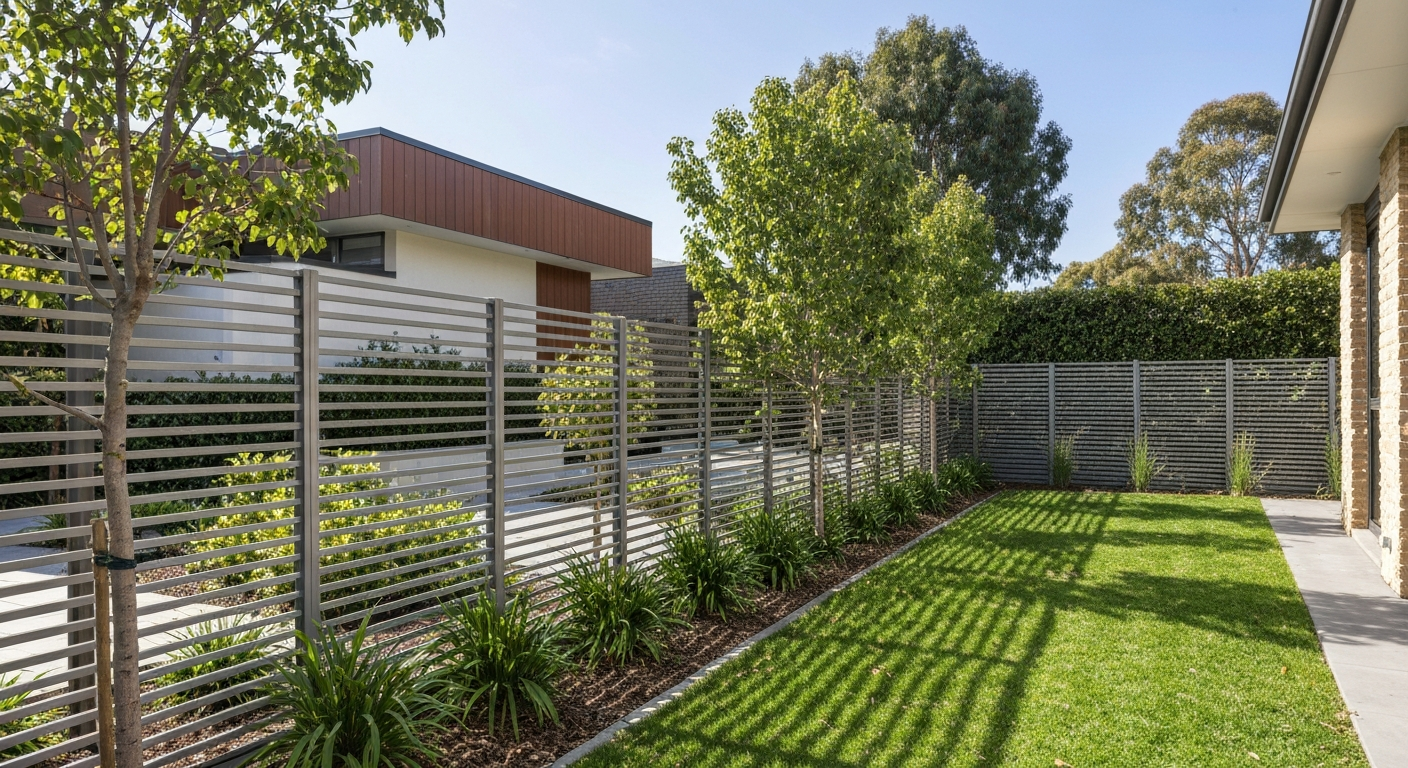
When privacy is called for yet the footprint is precious, stay clear of beefy picture framework assemblies with increased rails and large trim. Utilize a tidy slat face and keep trim moderate. If you require a top cap, select a flat, narrow account that acts like a shelf for potted natural herbs without including bulk.
Height is leverage
Go tall and the backyard feels larger, as long as you offer the eye a path up and out. In a little court, a complete 6 foot solid wall surface on all sides can really feel oppressive. Break the leading 12 to 18 inches right into a lighter zone. A straight slatted clerestory, a narrow steel mesh, or a mounted latticework band punches sky into the view. The lower 4 to five feet handle privacy. The band maintains air flow and daylight, and it offers you a stable straight line to install string lights or a bistro heating system brace without piercing into the key boards.
I often specify 5 feet of personal privacy with a 1 foot open topper dealing with alleys, and 4 feet of privacy with a 2 foot topper towards yards where next-door neighbors also invest in landscaping. Fence Installers who function metropolitan backyards recognize this keeps assessors pleased, next-door neighbors friendlier, and outdoor patios brighter.
Diagonals beat straight lines when every inch matters
A technique I use in strange shaped lots is to run a short fencing section on a 30 to 45 degree prejudice near a corner. Two advantages show up. Initially, you stay clear of dead triangular zones where absolutely nothing fits. Second, the angled plane produces a much longer aesthetic path, that makes a small room feel extended. I have actually tucked trash enclosures behind a 4 foot diagonal panel with a spring joint door that checks out like a wall sculpture, not a shed. And due to the fact that wind hits less squarely, the panel can be lighter without drumming.
If you alter a panel, keep equipment and lock geometry simple. A gravity lock with flexible catch plate is your buddy. An intricate mortise lock despises weird angles and draws time. Every professional Fence Contractor discovers this after wrestling one into an inclined disclose on a Friday afternoon.
Choose materials that multi-task
Small lawns do not forgive maintenance errors. Discolor runs, rot, and inflamed gateways feel out of proportion when they are pushed versus your seating. I group materials by what they offer back.
Cedar takes tarnish well and scents clean. Inboard orientation of pickets conceals bolts and allows you install slim racks without penetrating through. Treated want is spending plan pleasant yet happier when repainted dark. It can bow if rails are too far apart, so reduce your bay spacing to 6 feet in compact lawns. Slatted aluminum or powder coated steel panels are slim, secure, and outstanding for slim accounts, but they need thermal allocation at links. Composites differ extensively. Excellent ones look stable and clean quickly, but heavy panels mean you must upgrade to 2.5 inch steel articles with deep footers.
Gabions are worthy of a reference. A 12 inch deep gabion consumes floor room quick, however a half-depth 6 to 8 inch basket with small river rock produces structure and mass without the big bite. I have actually established 8 inch gabion base training courses with a 3 foot slatted top to make a fencing that additionally functions as a back-rest for a bench. That resolves seating and boundary in one stroke.
Respect wind, even in a courtyard
The worst gate I ever before rebuilt remained in a slim breezeway between 2 townhouses. Solid panel, no airing vent, 30 foot wind passage. It ripped bolts clear out of the stile. The solution was not just beefier screws. We included a 6 inch ventilated strip along the joint side, which alleviated pressure during gusts. We likewise moved from butt hinges to a full height piano design joint rated for exterior usage, which spreads out tons. Small spaces can enhance wind with alleys and in between structures. Slatted sections, shadowbox arrangements, and inset mesh areas bleed pressure without giving up personal privacy close to eye level.
Fence contractors who chase less callbacks plan for air. If a customer resists, take them to a site on a breezy day and allow them place a hand near a solid run. The drumming speaks louder than a quote line.
Turn the fencing into storage without bulking it up
You can acquire major square video footage by pressing storage into the fence plane. The technique is to maintain depth superficial and framework honest.
I like 2x2 furring secured right into messages and rails, skinned with a second slat face to create concealed compartments no much deeper than 5 inches. That swallows yard tools, hose pipe reels, collapsible chairs, and grill brushes. I once fit two bike hooks on gliding trolleys throughout a 7 foot period between articles by setting a steel angle inside the top rail, then cladding over. The bikes resided in the fencing, not the patio.
Keep load paths tidy. Storage space tons should land into posts or continuous rails, not midspan boards. Water resistant with incline and blinking. Also a 3 degree pitch on a cabinet top sends water out. A strip of EPDM above a specific niche saves pricey swelling later.
Gate thickness is an additional location to win. Laminate a light, steady core from 1x boards with water-proof glue and a marginal stile framework. Skin both faces with thin slats. This defeats the heavy 2x face structure design that droops. Make use of an adjustable steel gateway frame kit if you anticipate seasonal motion or a very heavy face.
Design for day-to-day circulation, not unusual parties
The worst design is one that benefits a big gathering yearly and irritates you the various other 364 days. I set entrance swing based on the course of groceries, garbage, and youngsters. If you can just swing one way, swing towards the least beneficial square video or into a slim margin. Quality matters. Gates that scrape make you curse them. When a step is inescapable, incorporate it right into the fence line. A notched bottom rail with a riser board saves toe stubs and cleans the look.
Radius your entrance edges a little if the piece edge is limited. It takes a min with a jig and keeps paint from chipping on initial contact. Hardware should be handwear cover pleasant and dead simple. Thumb locks look fancy but jam with grit. A marine quality stainless gravity latch with via bolts will outlast the fence. Where safety matters, include a decline rod and sleeve to pin a dual gateway without eating the pavers.
Make structure do double duty
Every component ought to gain its maintain. A 2x4 leading rail can pull power as a conduit chase if you leave a shadow space below for lights and run low voltage lines behind a removable cap. A 4 inch broad leading plate becomes a slim ledge for planters and beverages. If children use the area, round over the top plate side to soften arm joints and hide minor dings.
I have actually mounted trellis inserts rather than full fencing panels behind grills. The trellis maintains splitting up from a next-door neighbor, holds herb pots within simple reach, and loses warm. For security, use non combustible materials within 12 inches of a grill body. Powder coated steel or aluminum slats beat cedar in that zone.
Tactics for little obstacles and tight building lines
Most cities need troubles, anywhere from absolutely no to 24 inches depending on zoning and easements. Tiny yards feel those inches. If you are working with a Fencing Installer that recognizes your territory, ask about centerline contracts with next-door neighbors. A shared line set up can keep more room for both great deals. If you need to establish the fence inside your line, plan for upkeep on the back face. I leave a 6 to 8 inch solution passage where possible and orient the attractive face inward. If you do not have solution accessibility, layout a removable panel. Two covert barrel bolts and a number of screws at the bottom make a panel you can raise out later on to trim vines or clean.
On concrete or pavers at the line, use surface area install message bases with epoxy supports or core drill sleeves depending on slab thickness. I need a minimal 4 inch slab depth for wedge anchors. For thinner patio areas, I core drill 6 to 8 inches, established a brief sonotube through the slab, and put a footing you can sleeve a blog post into. This holds wind loads without eating the outdoor patio with a wide base plate.
The grain of privacy
Privacy is not one point. It is layered by elevation, distance, and instructions. In numerous backyards you just need full personal privacy near seating and windows. Along a side run that deals with a blank garage, a semi transparent panel with 60 percent strength provides light and drip dry air movement for laundry. Conserve the strong money where it counts.
Shadowbox fences are bargains in limited areas. Alternating pickets on each side of the rail create privacy from direct views but enable air and a tip of deepness. Construct with a 1 inch space and 5.5 inch boards for a flexible rhythm. In slim yards, I flip the rails inboard so the clean face looks toward your living space and the shadow pattern reviews intentional.
Color and coating can add square feet, at the very least to the eye
Color pushes and draws airplanes. A dark charcoal fence recedes, making a border really feel further away. Warm cedar boards with an oil coating glow but stand onward. If the backyard is narrow, paint the future dark and the short run light to deal with proportions. I have actually made use of smudged steel brackets and dark articles with natural slats to drop the structure from view and make the slats float. Gloss degrees issue. Satin hides fingerprints and dirt. High gloss on metal in sunlight will telegram every weld and scratch.
If you want murals or climbing up plants, prime with exterior guide prior to a deep color. Plants stick better to a somewhat harsh surface area. Room trellis standoffs 1.5 inches off the face so creeping plants grab air and dry quickly. Dampness is the quiet killer in portable gardens where air flow remains low.
Lighting that resides in the fence
A tiny patio area ends up being magic with smart illumination that does not add mess. I rough in a superficial chase behind the leading rail and pierce down for low voltage puck lights every 4 to 6 feet. A 2700K warm shade checks out like candles, not a parking lot. For downlights, defend against glare with straightforward hoods. I have recessed strip lights behind a slatted mattress topper to clean the fencing face. It sets you back cents in electrical energy and makes the wall surface really feel taller.
If you can not run brand-new lines, use solar message caps sparingly. They are cumbersome and look clumsy on slender profiles. A better solar alternative is a slim bar tucked under a cap board and screwed to a covert cleat.
Soil, grounds, and plant roots in tight beds
Roots, irrigation, and tiny setbacks produce footing headaches. The best response relies on loads. For a 6 foot privacy panel in moderate wind, I target a 24 to 30 inch deepness in company dirt with an 8 to 10 inch size hole. In hefty wind corridors or sandy dirts, I tip up to 36 inches deep and 12 inches size, or I change to helical heaps that drop quickly without huge openings. In planter beds near fully grown trees, I counter articles a little and include a steel ledger between articles to carry rails across root zones. A great Fencing Contractor will carry a compact ground auger, a set of helical anchors, and patience. Chainsaws belong no place near healthy roots.
Drainage matters a lot more where area is limited due to the fact that water swimming pools versus wall surfaces. Bell the bottom of your ground a little to resist uplift, but leave a crushed rock sump listed below the concrete plug so water drains pipes. In yards where the slab runs to the fencing, caulk the fence base to the slab only where you require to quit debris. Enable water to exit freely at various other points.
Hardware that does not feel like hardware
On a small patio, equipment is fashion jewelry. Economical screws and braces jump out at you. Use black ceramic coated or stainless bolts and straighten them with treatment. If you are pushing a lot of screws into a face, jig your spacing. A clean screw line checks out like a stitch on an excellent natural leather bag.
Hinges and locks should fit in the hand. Spherical edges, not razor blocks. If you choose a magnetic lock, examine with handwear covers and after dust direct exposure. The best latch on the first day can jam in July when plant pollen fumble the jobs. A Fence Installer who has timber fence contractors actually serviced a summertime full of jammed latches will certainly push you back to the gravity workhorses.
Sound monitoring without walling on your own in
In limited urban whole lots, sound rides over fences and jumps off tough surfaces. You can soften it without constructing a shelter. Three tiny methods build up. First, consist of a vegetated layer on a minimum of one plane. Climbing up figs, jasmine, or ivy include rustle and scattered high regularity noise. Second, vary products on opposing walls, for example wood slats on one side and a stuccoed planter on the various other, to stay clear of ping pong echoes. Third, use a decoupled panel where noise is extreme. A 1 inch air gap with a secondary slat face takes in some mid variety chatter. It is not studio quality, but in a little backyard it calms the din.
Two compact designs that function well once more and again
I maintain coming back to a pair of formats because they save space without feeling cheap.
The first is the bench wall. Run a 16 to 18 inch deep bench the complete length of one limit, then grow the fence right out of the bench back. Seat elevation at 17 inches, back angle 10 to 12 levels, fence increasing to 66 to 72 inches. You acquire seating for six where chairs would certainly hog the outdoor patio, and the bench base hides storage. Structure sensible, the bench doubles as a quality light beam. Articles can install into the bench frame and tie to the slab through very discreet brackets. I have also tucked a fold down table into the backrest for bigger dinners.
The secondly is the folded corner. Instead of two straight fencings fulfilling at 90 degrees, split the corner right into three panels at 45, 90, and 45 levels. The center face ends up being a focal wall for art or a water attribute. The side planes take less of each backyard, and the diagonal lets you stage a grill or planter without crowding. It is basic carpentry that feels like architecture.
When to bring in a pro and what to ask
Small areas compress mistakes. A Fence Contractor with a good eye deserves genuine cash here. If you are employing, ask to see images of their tightest work. Search for tidy edges, unwarped gates, and rails that make good sense with slopes. Ask how they plan to affix to your slab, just how deep blog posts will go in your dirt kind, and what their hinge and lock method is for wind. A sharp Fencing Installer will certainly talk about maintenance gain access to and circuit box without punctual. Fence builders that do kitchens and decks usually bring much better information habits to tiny yards than those who only slam roadside panels.
If you do it on your own, borrow a number of professional habits. Dry fit your first panel with clamps. Stand back. Stroll the path with the gate propped open. Cut an inch now, not after discolor. Tag articles and rails by area. Establish all articles, after that real them on the same day prior to the mix locks. Patience pays more in a little yard than on acreage.
A five min pre layout checklist
- Measure functional area two times, including door swings, slab edges, and existing utilities. Draw it to scale on a solitary sheet.
- Identify privacy zones by time of day, not simply lines on a strategy. Early morning coffee, late grilling, weekend break play.
- Note wind patterns and sunlight angles. See smoke or leaves momentarily. Plan for airing vent where gusts hit.
- Map storage space to the fencing face. Determine what can reside in 5 inches of deepness and what needs a niche.
- Confirm regional obstacles, height restrictions, and neighbor contracts. Get the paperwork directly prior to you dig.
The compact set up series that saves headaches
- Set edges and gateway articles first, real and support them like they matter, because they do.
- Run a tight line at leading and lower rail height to control board slope. Let the fencing comply with the land just if it reads clean.
- Prefinish slats and rails when feasible. Repair ends after cuts. Painted deals with climate better when secured on all sides.
- Hang eviction prior to infill. Adjust swing, lock, and clearances without any weight. Skin last.
- Step back after every 2nd panel. Readjust currently, not after stain. Your eye is the best level.
Case documents: the 6 foot alley that came to be a room
A customer had a six foot broad side lawn in between brick walls. Trash can, a hose bib, and an utility meter ate the area. They wanted a path, personal privacy, and an edge to sit with a book. We built a 20 inch deep bench along the fence line with a back inclined to 12 levels. Messages for a 6 foot fence increased with the bench, bring a 4 foot strong cedar face and an 18 inch slatted mattress topper. Behind the bench, we created a 4 inch deep dental caries with detachable slats to solution watering and hide bin hooks.
Gates at both ends swung internal towards dead corners, removed a mild slope by 1 inch, and latched with simple stainless gravity catches. Low voltage lights in the topper cleaned the cedar. Plants climbed up a slim trellis on the block to the other side, which softened sound. We obtained an analysis nook, a storage wall surface, and a tidy pass through, done in the impact they already had. The fencing was the furnishings and the backdrop.
Maintenance routines that keep a little lawn calm
Touch coating every other season. A day with a fining sand block and oil keeps cedar alive. A light detergent laundry in spring purges pollen and soot that make equipment stick. Tighten hinge screws and reset latches after warm spikes. Small adjustments early conserve sag later. Where sprinklers haze a fencing, redirect or shield. Water discolorations introduce themselves loud in small spaces.
Plant carefully. Vines look charming, however wisteria will certainly pull a fence apart if you allow it. Choose lighter, better behaved climbers. Use standoff brackets to protect the face and keep air moving. Mulch versus blog posts in a thin layer only, and never ever above the concrete or base plate, to prevent rot and termites.
Final thoughts from the field
A great fence a tiny lawn is peaceful, valuable, and clever. It vanishes where you desire openness and commands attention where you need focus. It holds tools, captures lights, invites plants, and never steals inches without paying you back. The most effective Fencing Contractors and Fence builders deal with the boundary as a tool, tuned to the way you live. They will certainly promote slimmer lines, smarter corners, and sincere materials, and they will certainly help you win back space you thought you did not have.
Hire that sort of Fencing Contractor if you can. If you are swinging the hammer yourself, adapt the pro instincts right here. Sketch greater than you think you should. Examination wind. Support lean accounts. Design the fencing as furniture. Use the leading 12 inches to give back light and air. Establish gateway geometry for the life you live, not simply the look you such as. A tiny lawn can really feel spacious, not due to the fact that it is bigger, but due to the fact that absolutely nothing in it squanders your interest or your steps.
You do not need acres. You require objective, a keen eye, and a fence that gains its impact. Fence Installers that comprehend that develop areas that work hard and remainder easy. That is the difference in between a box and a room. And it is why a slim, well thought about border often ends up being the very best point on the lot.